

ROBOTICS
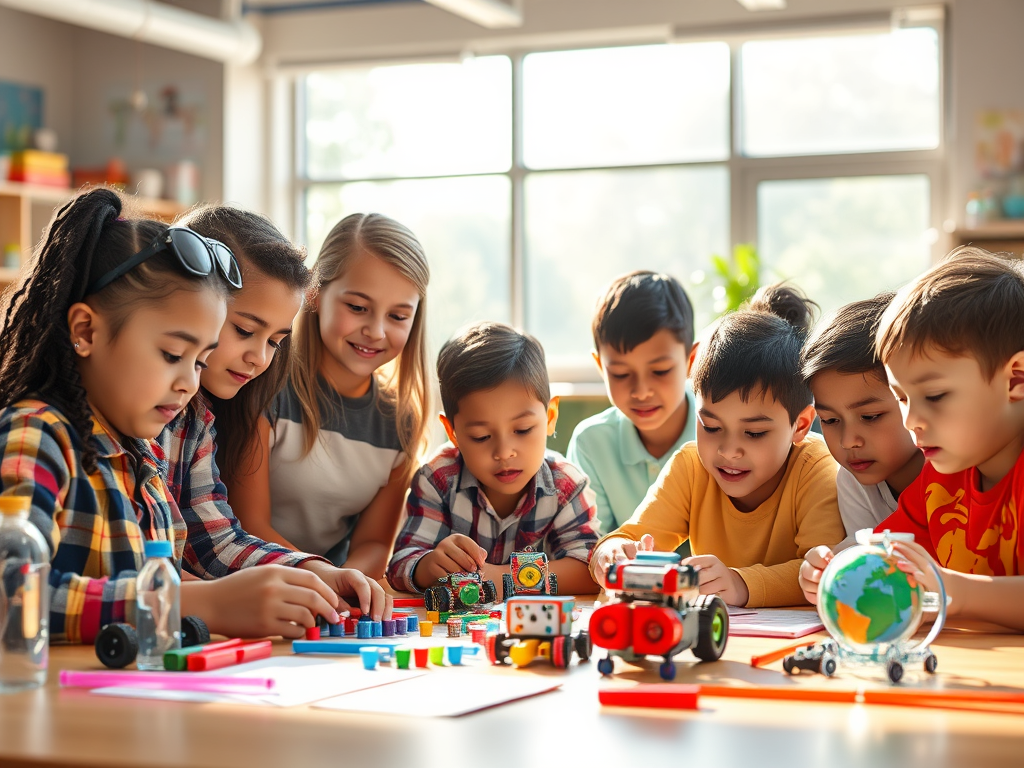
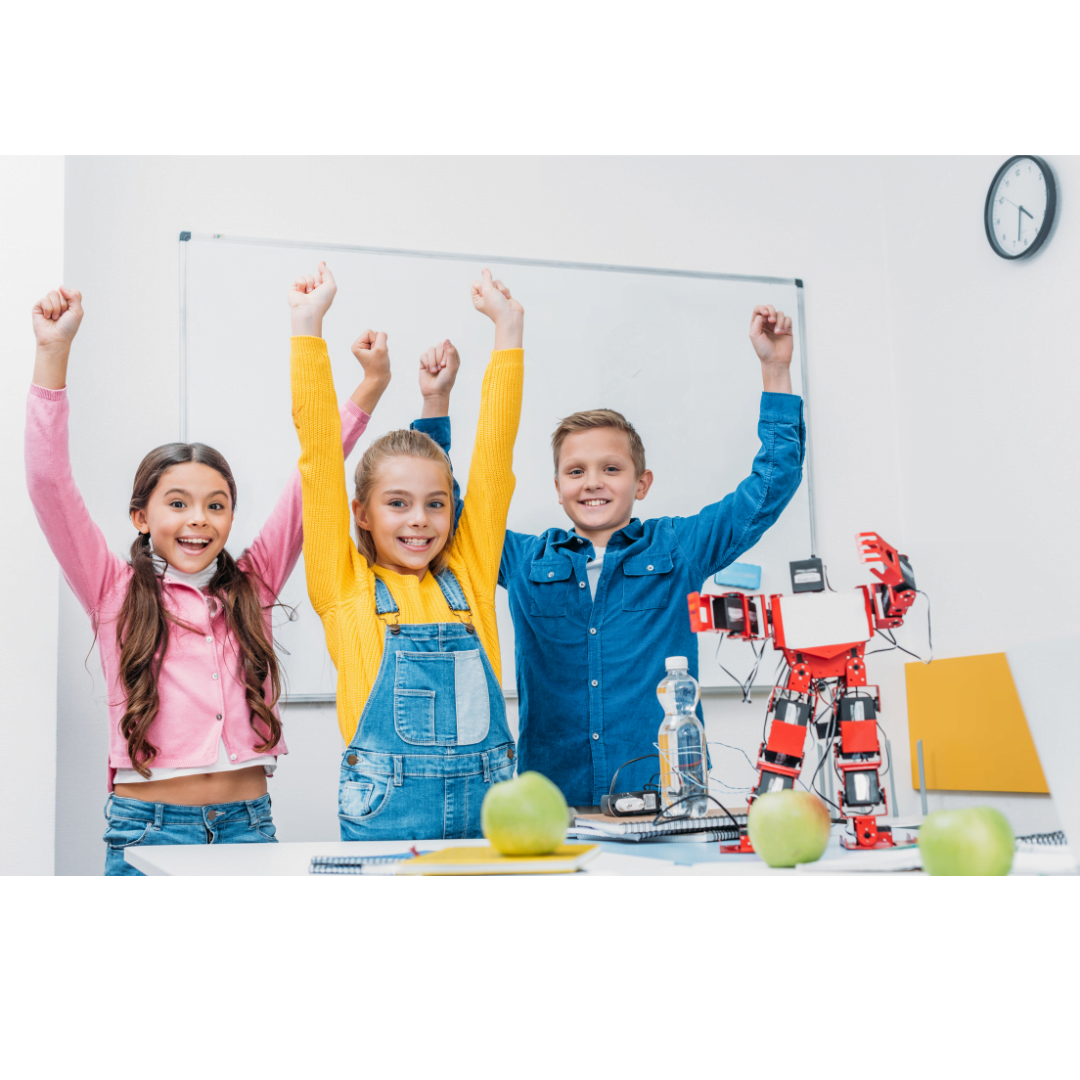
Robotics merges mechanical, electrical, and software engineering, offering hands-on learning that builds resilience. It fosters collaboration, stimulates curiosity, and develops essential critical-thinking and problem-solving capabilities.

CODING
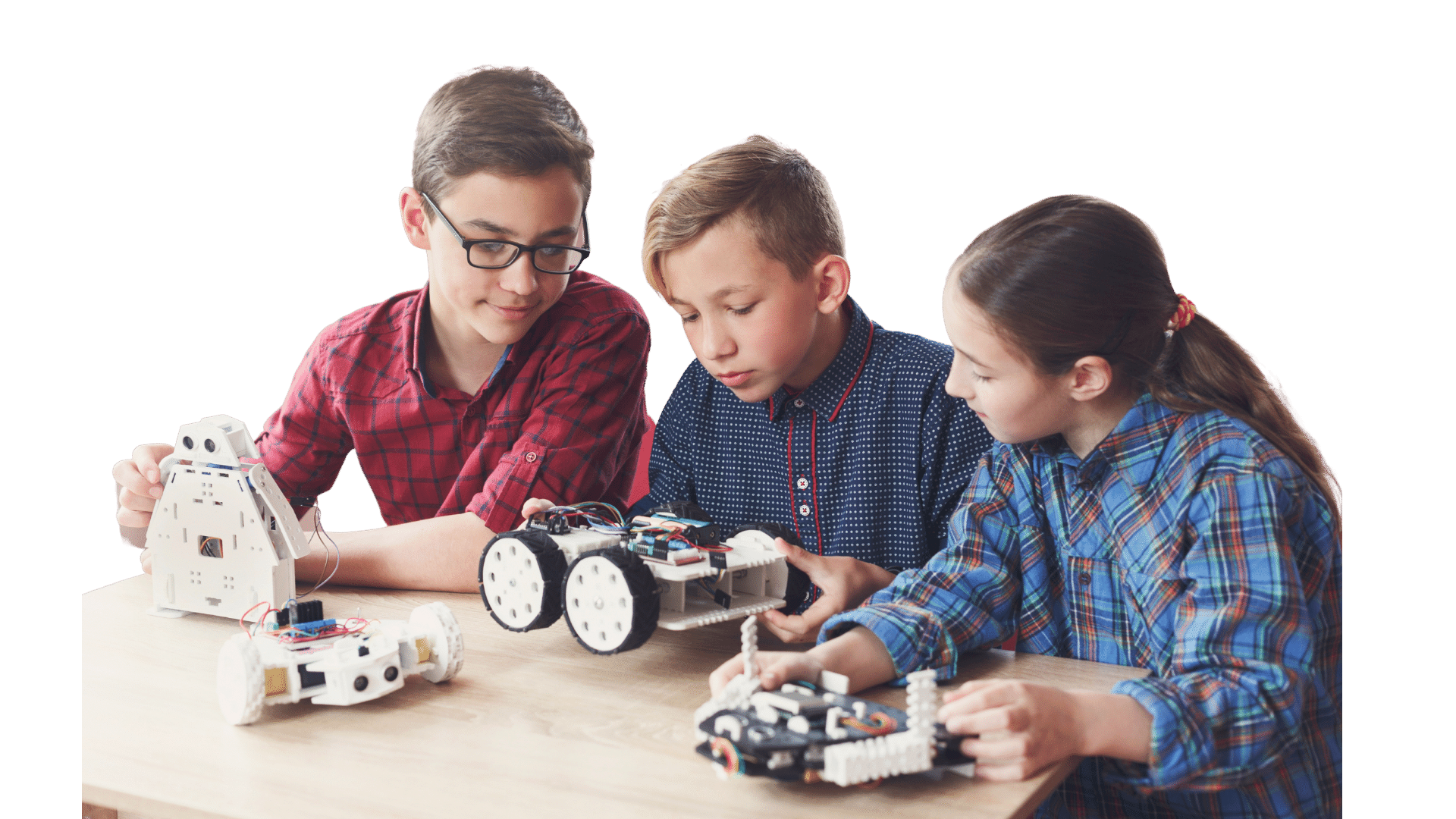
Coding fosters critical thinking and systematic problem-solving, encourages creativity, opens career pathways in tech, and promotes collaboration through teamwork. It cultivates adaptability in an ever-evolving digital landscape.

DIGITAL ARTS
Digital arts blend creative expression with technical expertise, embracing software tools for illustration, animation, and design. This versatile field fosters innovation, collaboration, and flexible career prospects.


I enrolled my child in their after school program and my kid loves being in Stema. After picking them up directly from school, they provide the children with a number of activities. They start with tutoring Math, Science, or English as per their grade level, which supplements their school work. After doing some worksheet, they sometimes go to the nearby playground (if the weather permits) with other kids to shake off those energy. Then they have different STEM courses such as Designing, Computer Programming, Animation, typing and making basic games. Additionally, they are incorporating awareness on climate change and environmental protection in their courses. I also love the fact that they provide a weekly report that includes photos of my child playing, completing worksheets, and working on computers, along with feedback on the progress. All of these definitely helped my child in understanding technology and expanding their knowledge. Lastly, the teachers are very nice, and Mira is incredibly helpful.
We’ve had a great experience with STEMA East Vancouver. Our child always looks forward to the classes and comes home excited to share what they’ve built or created. From learning to code and build robots to designing and 3D printing new projects, it’s been a wonderful mix of fun and education.
The instructors are patient, kind, and knowledgeable, creating a positive learning environment where kids feel comfortable exploring new concepts.
My son is thriving at STEMA. The staff are wonderful, knowledgeable and organized. He looks forward to every class, and comes back happy and excited. My daughter enjoys it, too.